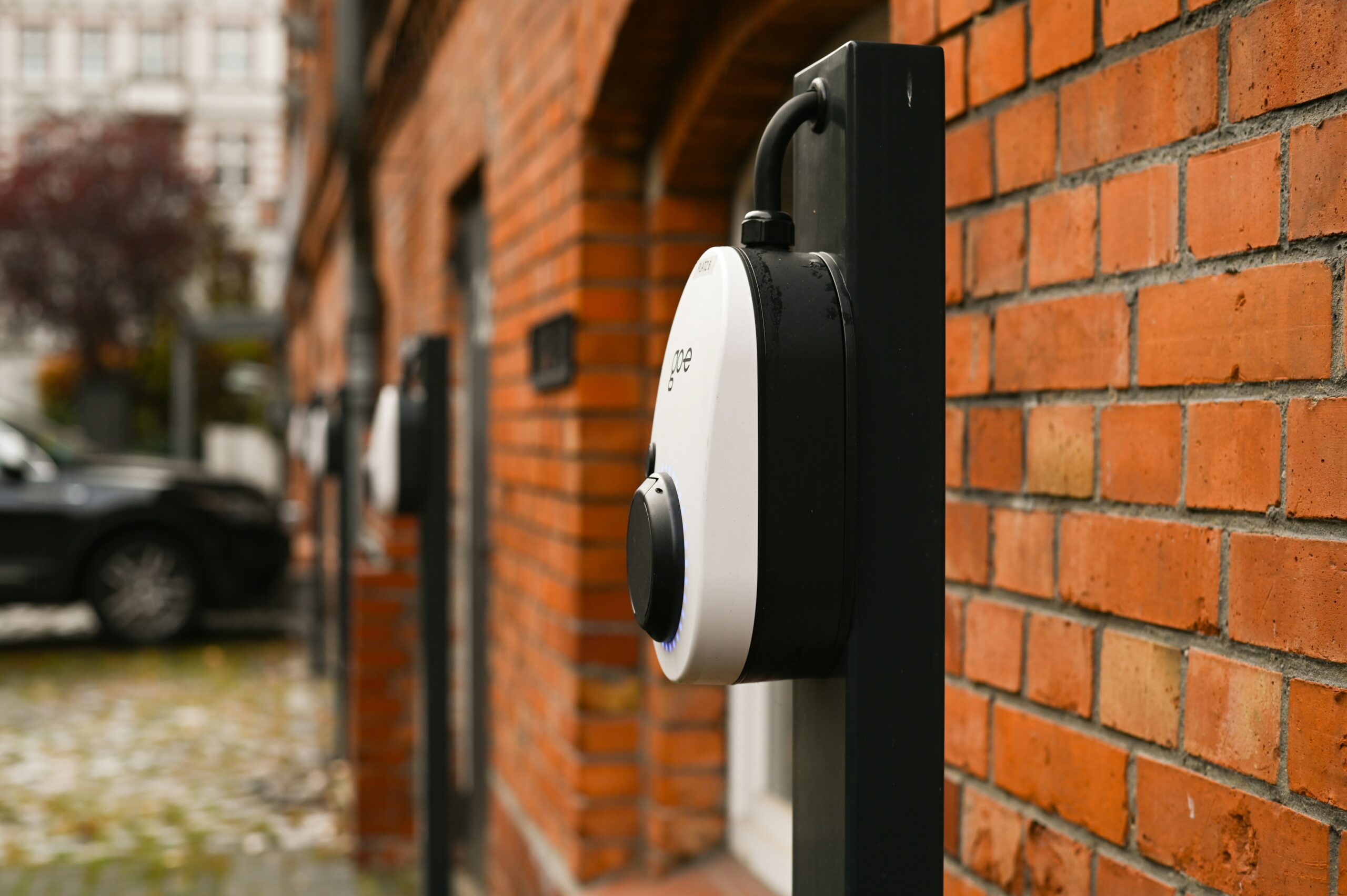
If you’ve been putting off installing a home EV charger because of the cost, the numbers changed in your favour this year. Here’s exactly what’s on offer now, who qualifies, and what’s changed since April.
What changed on 1 April 2026
The EV Chargepoint Grant covers 75% of the cost of buying and installing a home charging socket — but the maximum amount you can claim rose from £350 to £500 per socket from 1 April 2026. On a typical £800–£1,000 installation, that’s the difference between covering under half the cost and covering the large majority of it.
At the same time, the government restructured which grants are still open. Three schemes closed to new applications on 31 March 2026: the staff and fleets grant, the commercial landlord grant, and the residential landlord infrastructure grant. The grants that remain open — including the ones most homeowners and renters would use — continue until March 2027.
Who can actually apply
This isn’t a grant for anyone who owns a house with a driveway. It’s specifically aimed at people who don’t automatically have the right to install a chargepoint themselves:
- Renters of residential properties.
- Flat owners — including leaseholders in blocks of flats.
- Landlords installing chargepoints for residential tenants have a separate application route, covering up to 200 sockets across their properties at up to £500 each.
- Households without off-street parking may be eligible under a separate on-street parking-related grant route.
If you own your own house outright with a driveway or garage, you’re generally not the target of this particular grant — the logic is that this funding exists to unblock EV charging for people who face a landlord, freeholder, or lack of private parking as the actual barrier.
What else changed with the April update
Applications for the household and landlord grants moved to a new online platform from 1 April 2026, and the evidence requirements tightened. Installers now need to submit:
- Close-up photographs of the installed chargepoint itself.
- Wide-view photographs of the building it’s installed at.
This is worth knowing before you book an installer — make sure whoever you use is aware of the current documentation requirements, since incomplete photo evidence is a common reason grant applications get delayed or rejected.
How to apply
- Confirm you meet the eligibility criteria (renter, flat owner, or via a landlord’s application).
- Choose an installer authorised to install under the government’s scheme — not every electrician is automatically eligible to process the grant on your behalf.
- The installer typically applies the grant discount directly and claims the difference back, rather than you paying the full amount and waiting for a refund — confirm this with your chosen installer before booking.
The bottom line
If you’ve been quoted for a home charger installation before April 2026, it’s worth getting a fresh quote — the increased £500 cap means the numbers may look meaningfully better than they did a year ago. And if you assumed you didn’t qualify because you don’t own your home outright, check again: this grant was built around exactly that situation.
Grant rates and eligibility can change — always confirm the current position on GOV.UK before booking an installation.
Sources: GOV.UK — Changes to electric vehicle chargepoint grant schemes from 1 April 2026; GOV.UK — Electric vehicle chargepoint grant for renters or flat owners